
Image Source: Google
Having a perfect smile can have a significant impact on your overall confidence and quality of life. Dental implants are a popular and effective way to restore your smile and improve your oral health. In this article, we will explore how dental implant services can transform your life by giving you the smile you've always dreamed of. If you are looking for the best dental implant service then, you can contact Erinwood Dental Care.
Benefits of Dental Implant Services
Improved Confidence
- Dental implants look and feel like natural teeth, allowing you to smile and speak confidently.
- With restored teeth, you can feel more comfortable in social situations and professional settings.
Enhanced Oral Health
- Dental implants help preserve your natural tooth tissue by avoiding the need to alter adjacent teeth for bridges.
- Implants also stimulate bone growth and prevent bone loss that can occur with missing teeth.
Long-Term Solution
- With proper care, dental implants can last a lifetime, making them a durable and cost-effective solution in the long run.
- Unlike dentures, implants are fixed in your mouth, eliminating the need for messy adhesives.
The Dental Implant Process
Consultation and Planning
The first step in the dental implant process is a consultation with your dentist to discuss your goals and evaluate your oral health. During this stage, a personalized treatment plan will be developed based on your specific needs.
Implant Placement
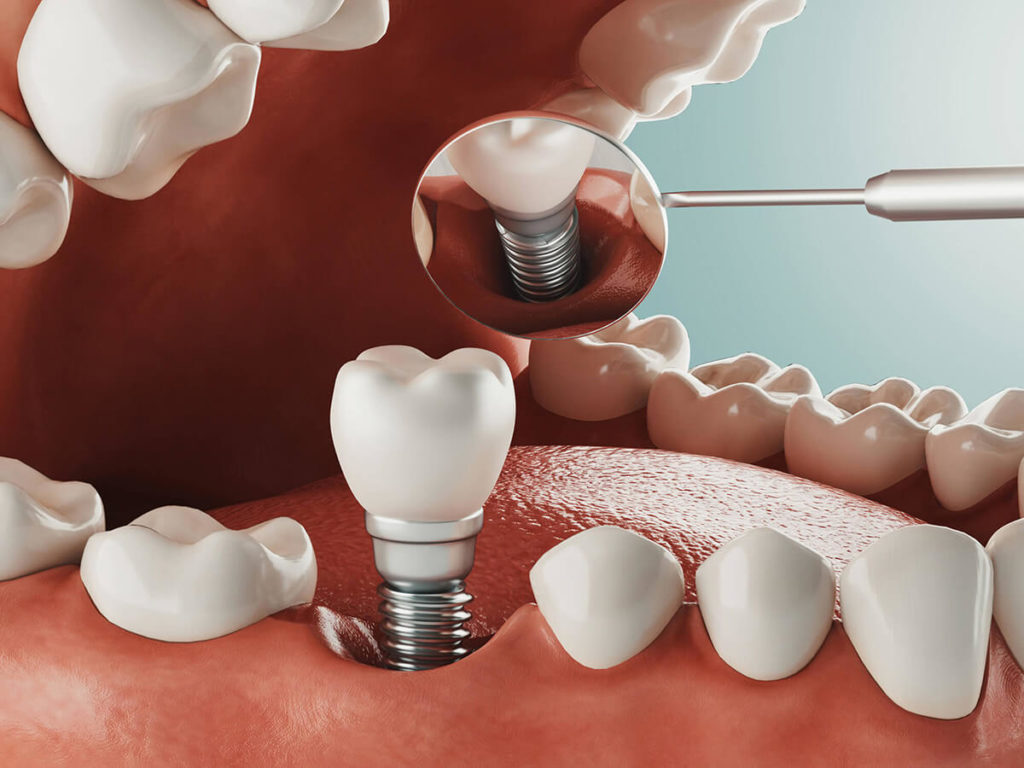
Once the treatment plan is finalized, the dental implant will be surgically placed into your jawbone. This implant serves as a replacement for the root of your missing tooth and provides a sturdy foundation for the artificial tooth or teeth that will be attached later.
Healing and Osseointegration
After the implant placement, a healing period is necessary to allow the implant to fuse with the surrounding bone in a process called osseointegration. This step is crucial for the stability and success of the implant.
Restoration
Once the implant has fully integrated with the jawbone, an abutment is attached to the implant to connect the artificial tooth or dental crown. The restoration will be custom-made to match the color, size, and shape of your natural teeth for a seamless blend.
Maintenance and Care
Proper maintenance and care are essential to ensuring the longevity and success of your dental implants. Here are some tips to help you keep your implants in optimal condition:
- Brush and floss your teeth regularly to prevent plaque buildup and gum disease.
- Avoid chewing on hard foods or using your teeth to open packages to prevent damage to the implant.
- Visit your dentist for regular check-ups and cleanings to monitor the health of your implants and surrounding teeth.
- Quit smoking, as tobacco use can increase the risk of implant failure and complications.
Conclusion
Achieving a perfect smile through dental implant services can truly transform your life by boosting your confidence, improving your oral health, and providing a long-lasting solution for missing teeth. If you are considering dental implants, consult with a qualified dentist to learn more about how this advanced dental treatment can benefit you and enhance your quality of life.






)